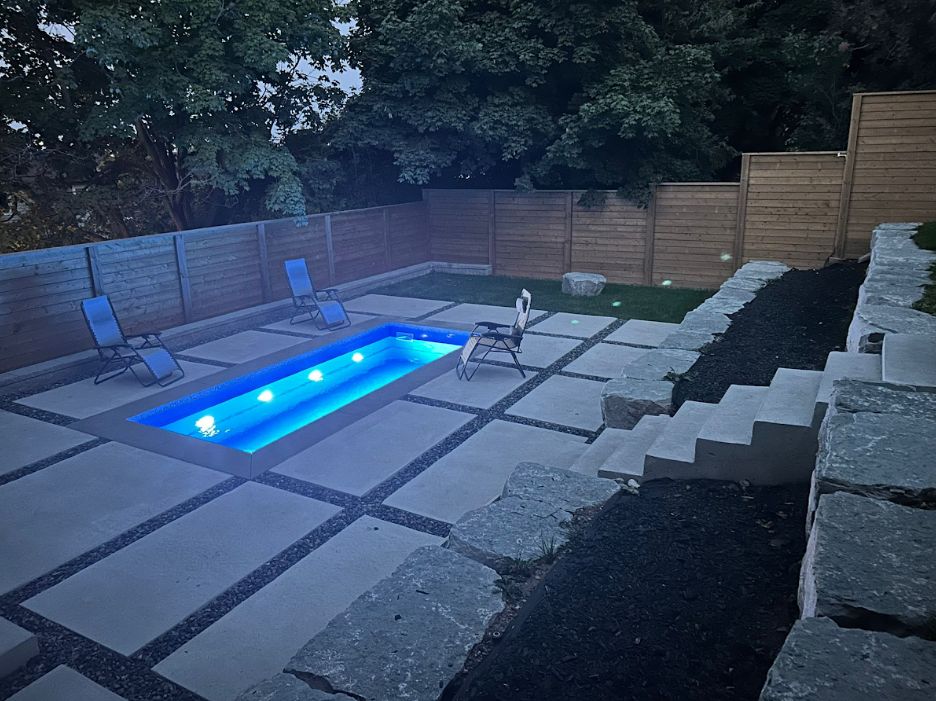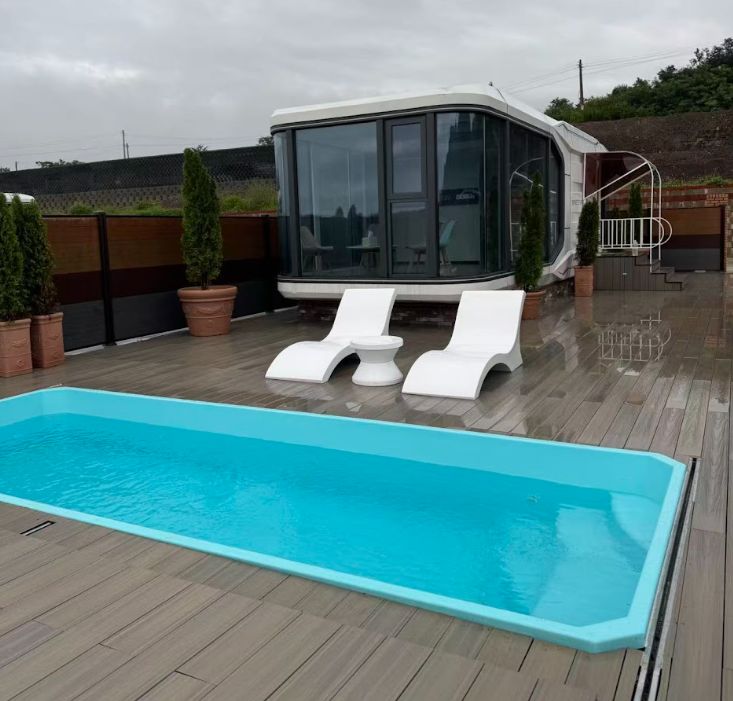
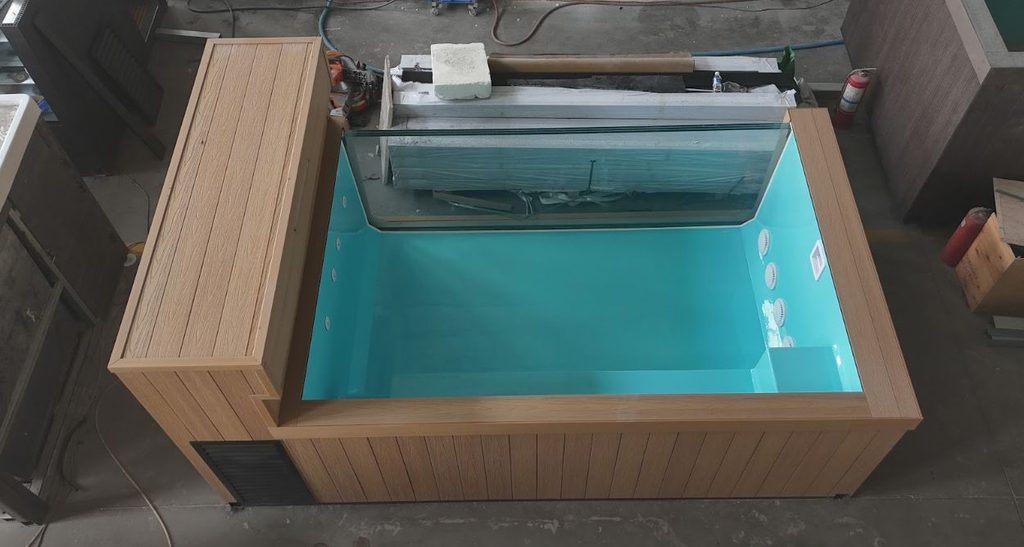
Winterizing protects the pool and equipment during cold weather or a long shutdown. The plan depends on the local climate and the specific system. It usually involves water care, cleaning, protecting pipes and equipment, and monitoring the pool after it is covered. It does not mean routinely emptying the fiberglass shell.
Choose the right winter strategy
In a mild climate, a pool may remain in operation with adjusted maintenance and equipment settings. Where freezing is possible, the pipes and equipment need an appropriate freeze-protection or winter-shutdown plan.
Automatic freeze protection depends on functioning equipment and power. It is not a guarantee against every outage or extreme condition. Discuss the expected weather and absence periods with a local pool professional before relying on one strategy.
Prepare the water and surface
Remove debris and clean using tools approved for the finish. Test and adjust the water according to the pool and treatment system’s instructions before closing. Follow product labels for any seasonal treatment; do not combine chemicals or improvise a stronger mixture.
Use the required winter water level for the exact model and installation. Do not copy a generic instruction to lower water below the skimmer from a different pool type. Unnecessary lowering can create problems for an inground fiberglass shell.
Protect every water-containing component
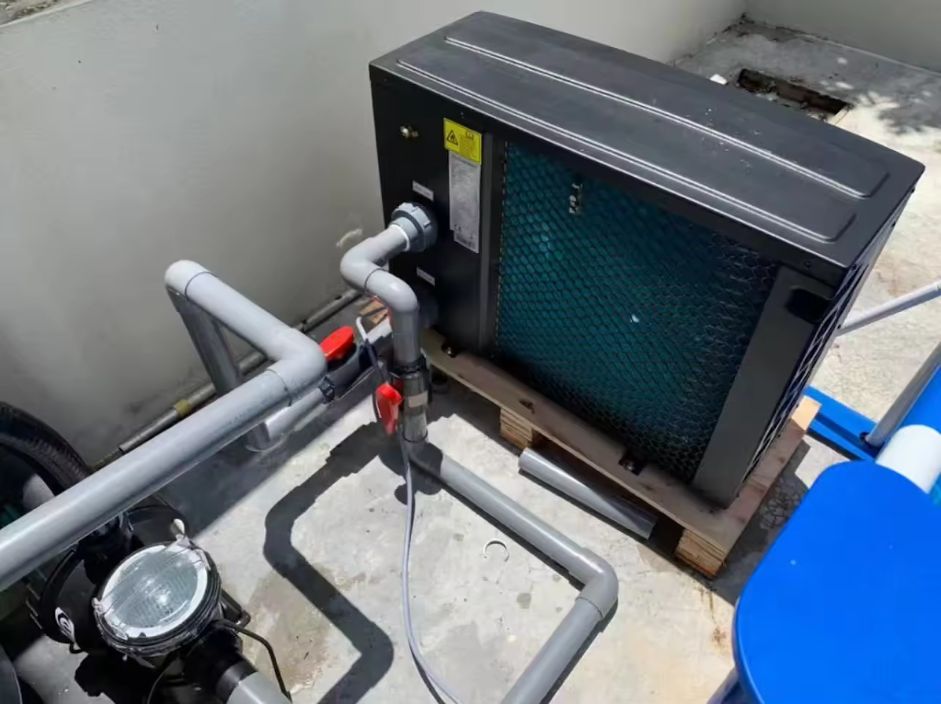
The winter plan should account for pumps, filters, heaters, treatment cells, features and all relevant pipe branches. Water left in a vulnerable component can freeze even if the main pool appears protected.
Have the required isolation, draining or line clearing carried out using the equipment instructions and suitable methods. If antifreeze is specified, it must be a product intended for that pool application; automotive antifreeze is not suitable. Keep the settings and removed parts documented for reopening.

Check the closed pool periodically
Inspect the cover, water level and visible equipment after significant weather. Manage water or debris on the cover according to its instructions. Do not walk on a cover or assume every cover is a safety barrier.
Watch for unexpected water loss and keep drainage and inspection points accessible. A covered pool still needs attention; leaving it unseen all winter can allow a small problem to grow.

Reopen in an organized order
Inspect the pool and equipment, restore components and valve settings according to the winter record, and complete the appropriate start-up checks. Restore the approved operating water level and verify circulation and leaks.
Test and treat the water before swimming. Confirm required safety features are in place and that equipment runs normally. If a component was damaged by freezing, resolve it before use.
Kaixin Pools can discuss seasonal equipment requirements when configuring a new fiberglass pool. Share your climate and expected winter use so the selected system and documentation reflect how the pool will operate through the year.