A saltwater container pool uses a salt chlorine generator to produce sanitizer from dissolved salt. It still contains chlorine, still needs filtration and still needs water testing. Whether it is suitable depends on every water-contact component and the pool’s exposed metal, not just the interior liner or shell.
Follow the water through the pool
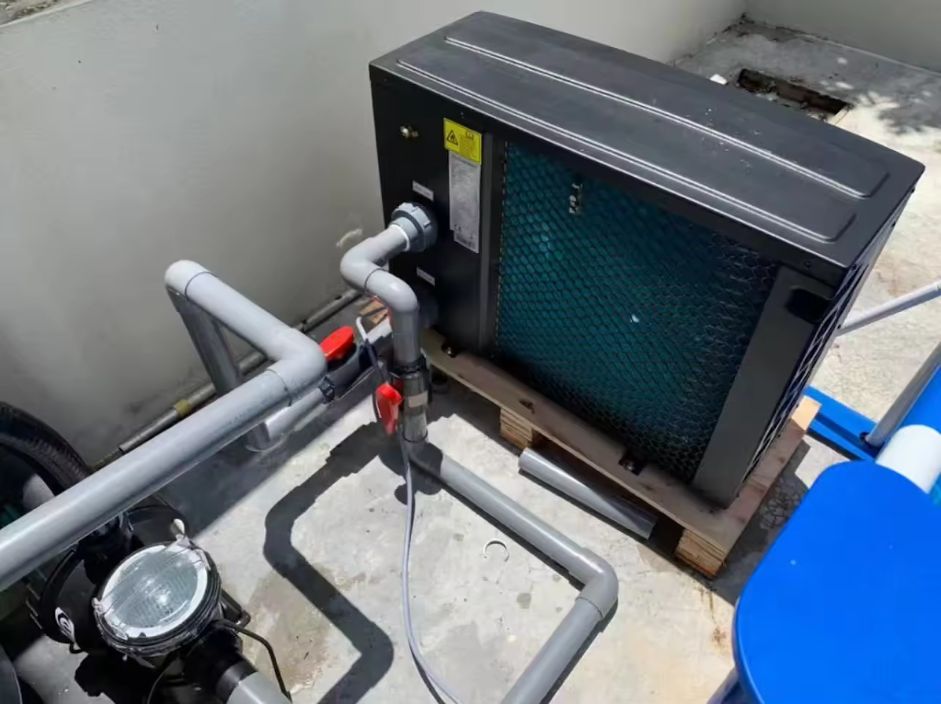
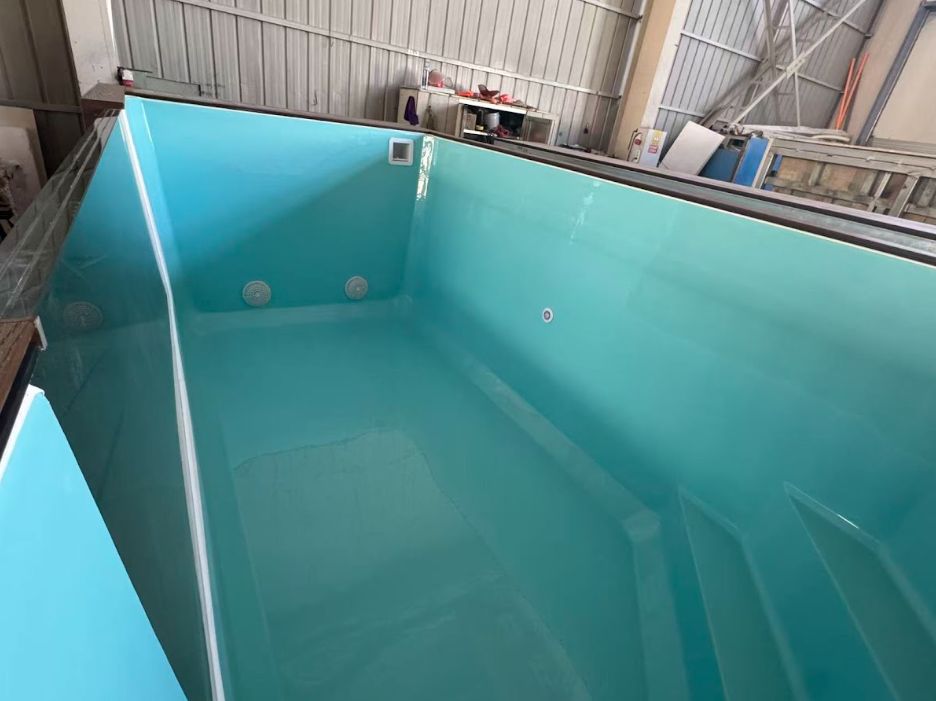
Make a list of the basin, fittings, seals, pipework, pump, filter, heater, lights and treatment cell. Check each manufacturer’s permitted salt concentration and water-care requirements.
The approved operating range must work for the complete system. If the chlorinator requires a concentration that another component does not allow, those products are not a suitable combination. Resolve the mismatch before adding salt.

Consider splash outside the basin
Even when the water-holding surface is compatible, salty splash can reach steelwork, fasteners, steps and nearby finishes. Appropriate material selection, coatings and cleaning matter. Salt treatment does not make a metal-framed pool immune to corrosion.
Ask how exposed areas should be rinsed and inspected, and follow the product instructions. Electrical bonding and protection must be handled correctly by the local electrical professional; they are not substitutes for selecting compatible materials.
Read salt and chlorine as different measurements
Salt concentration tells you whether the generator has suitable water to operate in. Free chlorine tells you about the available sanitizer in the pool. A normal salt reading does not prove that enough chlorine is being produced.
Production can depend on output settings, running time, flow, water temperature and the cell’s condition. If sanitizer is low, test and investigate rather than automatically adding more salt. Follow the treatment system’s instructions and suitable local water-care advice.

Make the cell easy to maintain
Leave access to inspect and remove the cell. Check for scale as directed by its manual; do not clean it with strong chemicals more often than instructed. Confirm how the cell is isolated and how its replacement is identified.
The pool still needs debris removal and filter care. Keep a record of water tests and changes to settings so a problem can be traced. Avoid assuming that automated chlorine generation means the pool can be left unchecked for long periods.
Decide before ordering or converting
For a new pool, specify the intended treatment method in the order. For an existing pool, obtain compatibility confirmation for the actual components and finish before conversion. Replacing one unsuitable component may be necessary; changing treatment without checking can create a larger repair problem.
Kaixin Pools can discuss treatment options as part of a container pool configuration. Tell us whether you prefer salt chlorination so we can review the proposed materials and equipment together before the supply list is finalized.