A pool and spa should be designed around operating modes, not just the shape of two connected basins. Decide whether users need separate temperatures, simultaneous use and an optional spillover effect. Then design the plumbing, heating and controls to deliver those functions clearly.
Draw the water route in every mode
Ask for a simple diagram showing where water is drawn from and returned in pool mode, spa mode and any combined mode. Mark which valves change position and which pump or heater operates.
This reveals an important distinction: a spa that continuously mixes with pool water is different from a spa isolated for heating. A decorative spillover may connect the water while it runs. The system needs to show how your chosen temperatures are maintained rather than relying on a second temperature setting alone.

Match heat to the way the spa is used
If the spa is heated only before use, warm-up time matters. If it is kept warm, heat retention and a suitable cover become more important. Provide the intended schedule and local climate when equipment is selected.
One heater can serve some pool-and-spa designs through appropriate switching, but this does not automatically provide independent simultaneous heating. Separate systems can offer different operation while adding equipment and maintenance. Choose the arrangement that matches your actual needs.
Keep seating and entry practical
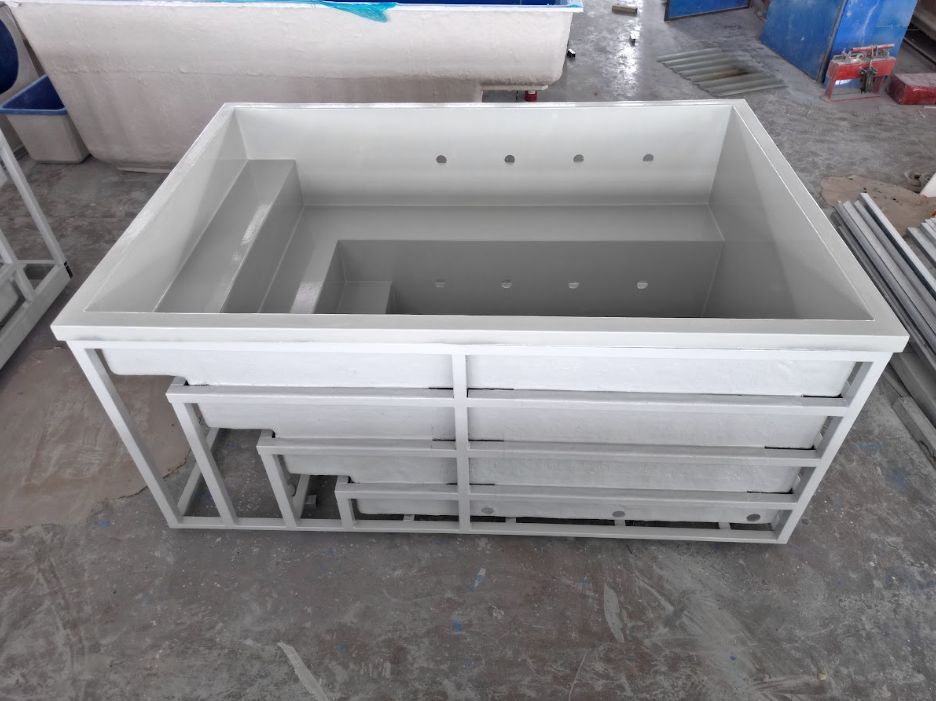
Check seat depth, legroom, handholds and the path from the steps. Do not let jets or fittings make a seat uncomfortable. A separate spa should be accessible without climbing over a narrow spillway or crossing an active swim lane.
Plan how each zone is covered and where covers are stored. A spa cover that must be carried across wet steps can make regular use inconvenient.

Make the controls easy to understand
Use clearly named modes that match the system. The owner should know which area is being filtered, which is being heated and what happens when a feature is switched off. Valves and equipment need accessible service positions even when automation is fitted.
At commissioning, test transitions as well as steady operation. Check that the intended water levels are maintained and that water does not drain unexpectedly from one zone into another after shutdown.
Maintain both water zones
An isolated spa still needs proper circulation and treatment. Follow the applicable equipment and water-care instructions for each operating condition. Shared equipment does not mean the spa can be ignored when it is not in use.
Kaixin Pools can review fiberglass pool and spa layouts around your preferred modes. Send the seating, temperature and usage requirements so we can discuss a configuration that makes the water systems as clear as the visual design.