Fiberglass pool installation is a sequence of connected jobs. A manufactured shell shortens the amount of pool-body construction at the property, but the supporting ground, drainage, connections and finishing work still determine whether the result performs well. Use a staged plan rather than counting only the day the shell is lifted into place.
Set the layout and levels
Before digging, confirm the shell position, orientation, finished height and access route. Match the drawing to the chosen model, including steps, skimmer and equipment connections. Check buried services and obtain the necessary local approvals.
Look beyond the pool edge. The final deck must meet doors and paths sensibly, while surface water needs a route away from the pool and building. A level decision made too late can force expensive changes to stairs or drainage.
Prepare the excavation and support
The installer excavates and prepares the base to the manufacturer’s requirements and the site assessment. Unexpected soft ground, rock or groundwater should be addressed before the shell is placed.
This is not a stage for guessing a standard base thickness from another project. The shell, soil and installation method work together. The installer should verify support and dimensions while they remain visible and easy to correct.
Place and connect the shell
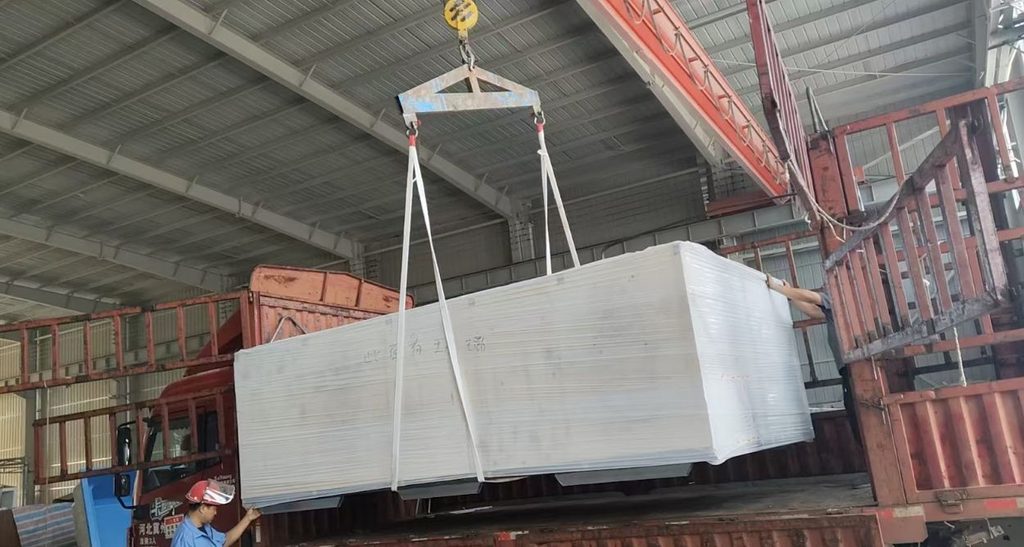
The lifting team uses the approved handling arrangement. Once positioned, the installer checks level and alignment before continuing.
Plumbing, filling and backfilling then follow the specified sequence for the pool. The relationship between water inside and support outside matters. Pipework should be tested before it is hidden, and its route recorded. Electrical work belongs with a qualified local professional using the required protective measures.

Finish without blocking maintenance
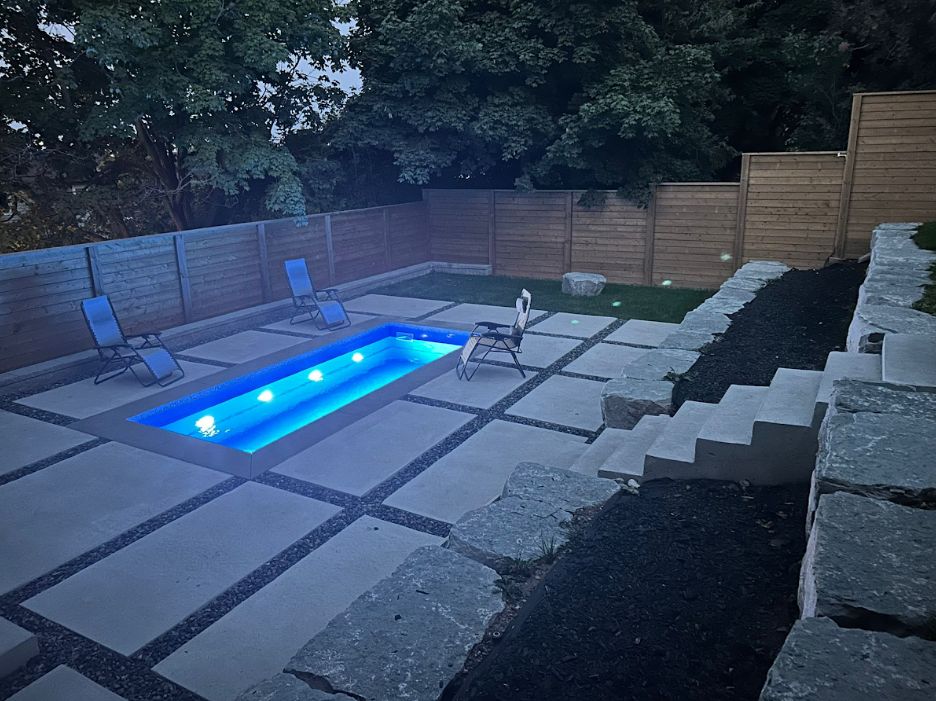
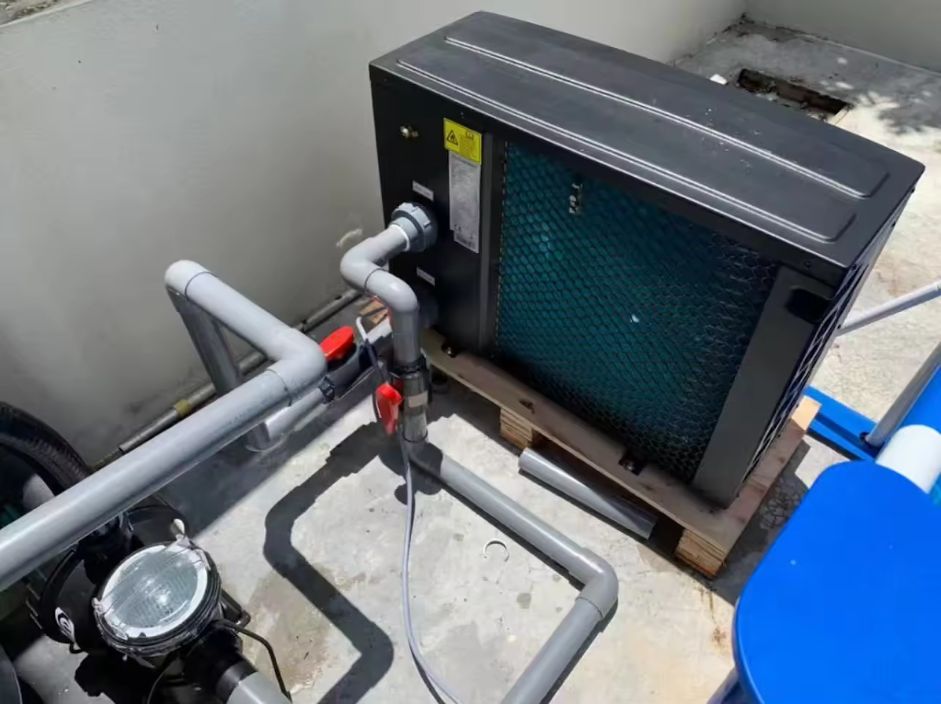
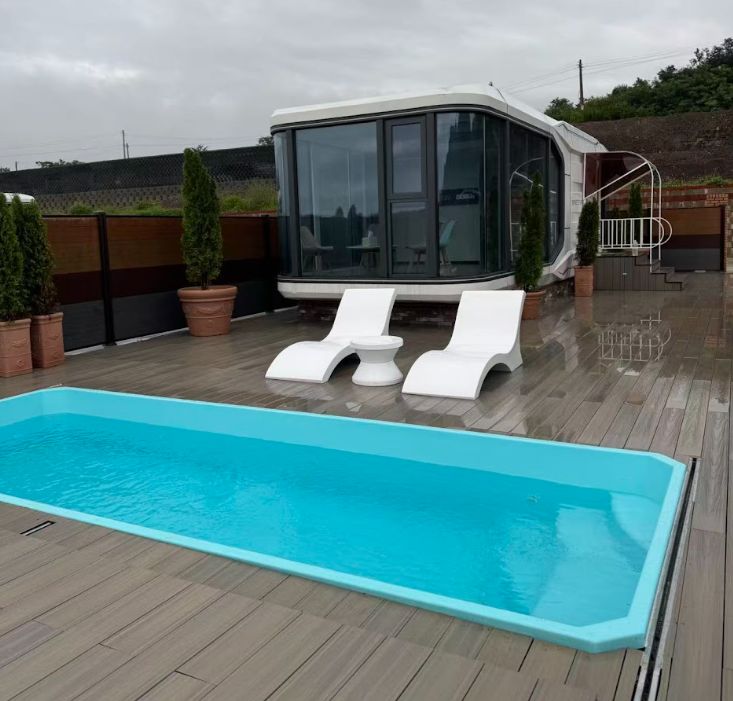
Complete the pool edge, surrounding surfaces, drainage and necessary barriers. Keep planned service openings usable. A deck should not trap a pump, valve or cover mechanism behind permanent finishes.
Photograph hidden works before closing them. Keep drawings of pipes and cables so future planting, repairs or deck changes do not damage them.

Commission the whole system
After filling and water treatment, run circulation and check the accessible connections. Test any heater, lights, spa mode or other supplied features. Confirm normal readings and demonstrate start-up, shutdown and cleaning.
The owner should receive equipment manuals, warranty details and a list of unfinished items if any remain. A pool is ready for use only after the relevant work, water checks and local inspections are complete. Timing varies with approvals, weather, access and project scope.
Kaixin Pools can discuss the fiberglass model and supply information needed for your installation plan. Share your site details early so the factory configuration can be coordinated with your local installer before production and delivery.