The best heating system for a fiberglass pool depends on climate, desired water temperature, swimming schedule and available utilities. A heater selected only by pool dimensions may not provide the warm-up time or seasonal performance you expect. Begin by defining when you want to swim and how consistently the temperature should be maintained.
Also confirm compatibility with the pool’s surface, plumbing, sanitizer and control system. Heating is part of the complete installation, not an isolated accessory.
Describe your use before choosing equipment
There is a difference between maintaining comfortable water for daily use and heating occasionally for a weekend. Tell the installer your intended season, target temperature and typical unused periods. Include whether a spa shares any equipment.
Ask for estimates with stated assumptions, including local weather and energy tariff. A running-cost figure without those inputs is not a reliable comparison.
Compare heating approaches
| Approach | Main consideration |
|---|---|
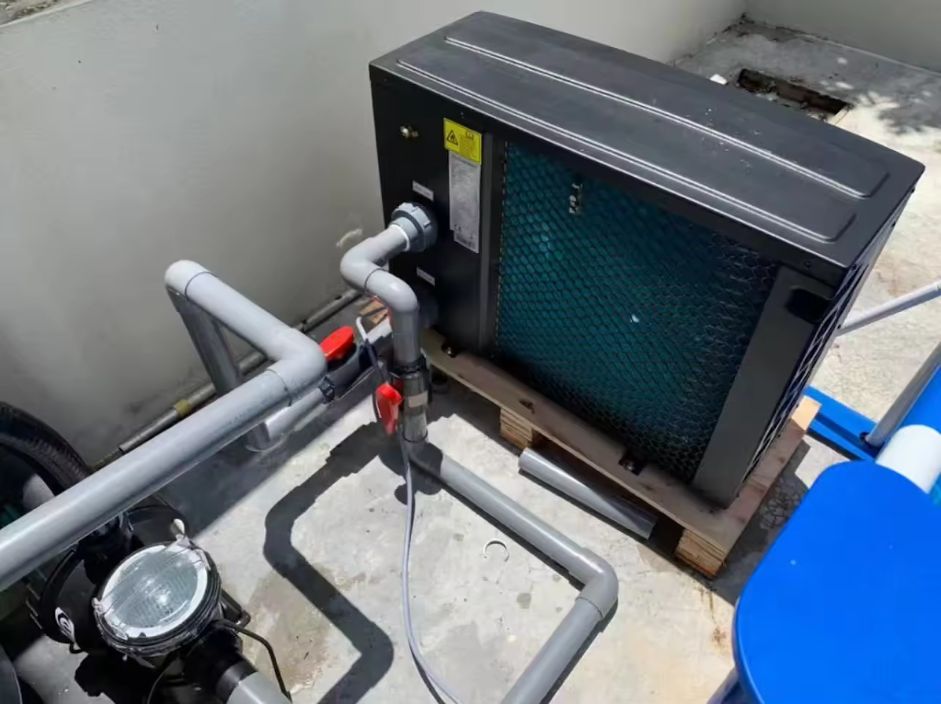
| Air-source heat pump | Climate-dependent performance and steady operating routine |
| Fuel-fired heater | Available fuel, installation requirements and desired warm-up behavior |
| Solar heating | Suitable collection area and weather-dependent heat contribution |
The AHRI guidance on pool heat pumps explains their use of heat from surrounding air and the importance of application conditions. Have a qualified installer size and specify the actual system rather than applying a universal rule.
Reduce avoidable heat loss
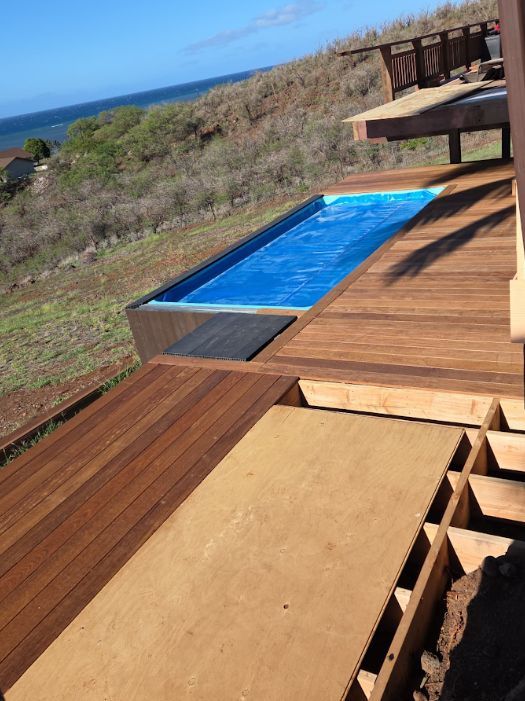
Discuss a suitable cover alongside the heater. Evaporation is a significant part of pool heat and water management; EPA WaterSense identifies covers as a way to reduce evaporation. The benefit in your project depends on use and conditions, so avoid treating a general percentage as a guaranteed saving.
Plan cover storage or operation before completing the surrounding area. A cover that is awkward to use may be left off, undermining the operating assumptions used to select the heater.

Check installation and service requirements
Confirm electrical or fuel supply, equipment clearances, ventilation where applicable and drainage requirements. Keep the heater accessible for inspection and replacement. Ask who supplies controls and verifies communication with other equipment.
For a factory-integrated package, provide local utility requirements before production. A suitable pool model does not establish that every optional heater is compatible with every destination.

Ask KaixinPools for a heating-ready or heated configuration for your preferred integrated model. Include your location, season and schedule so the proposal can be reviewed against realistic operating conditions.