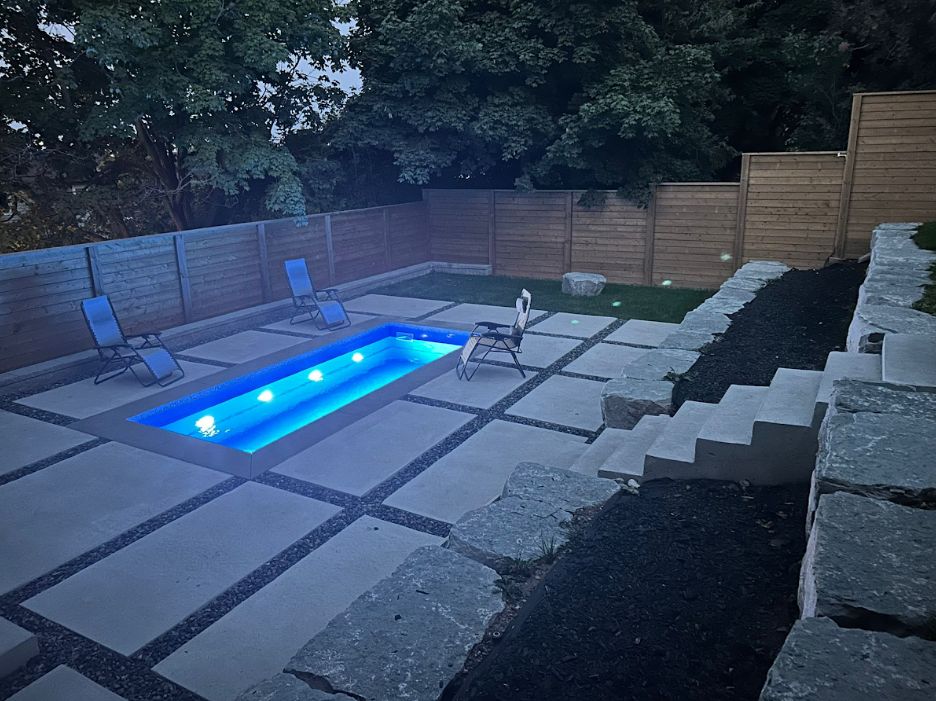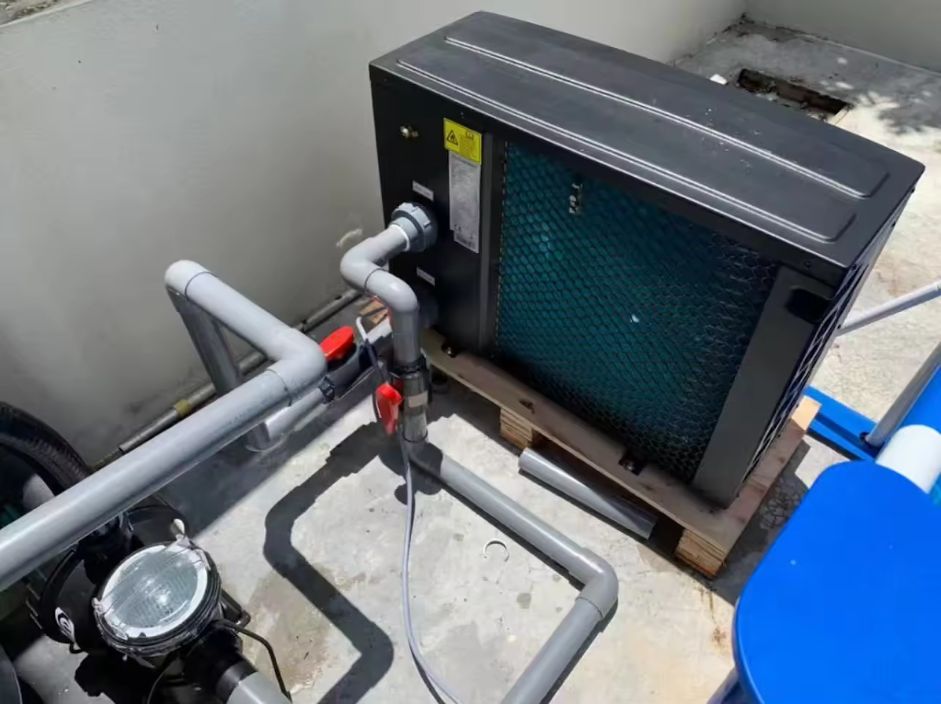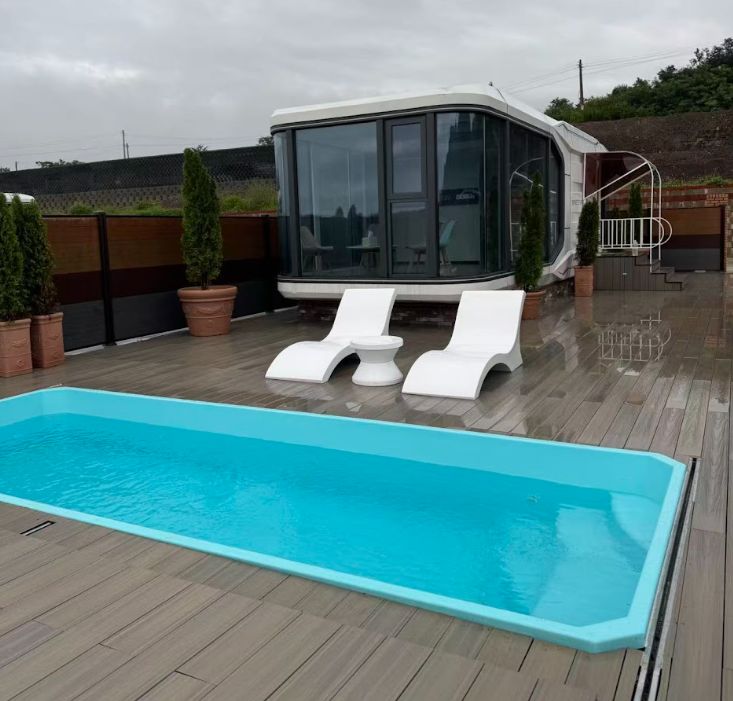
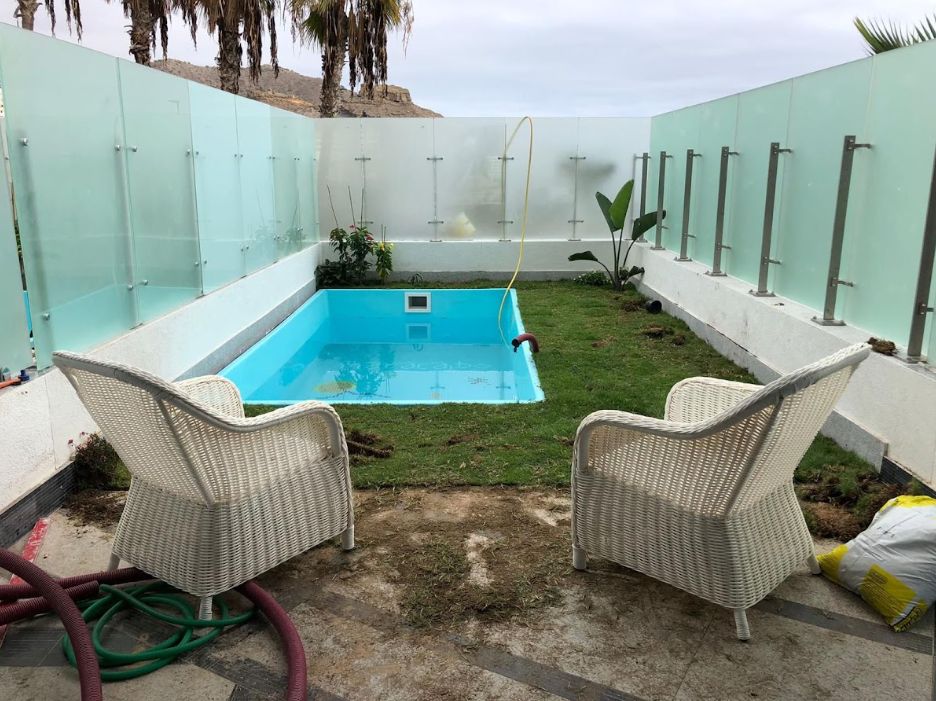
A fiberglass pool can move upward when groundwater pressure pushes against a shell that does not have enough weight inside it. It can settle downward when its support moves or washes away. These are different problems, and both need a site assessment before repair. An uneven deck alone does not prove that the pool has moved.
Understand upward movement
Water in the ground can press against the outside of a buried pool. Removing the pool water reduces the weight resisting that pressure. After heavy rain or where groundwater is high, draining can therefore create a serious problem even when the surface soil looks dry.
A drainage or pressure-management system only helps if it is suitable for the site, correctly installed and working. Do not assume that a visible pipe or valve makes emptying safe. Have a qualified professional assess the pool and groundwater conditions before changing the water level substantially.
Understand settlement
Downward or uneven movement can relate to unsuitable support, poorly prepared fill, erosion or a leak that removes supporting material. The correct repair depends on what actually changed beneath or around the pool.
Paving may also settle independently. Compare the pool rim with the waterline and compare the deck with fixed nearby features. A photograph taken at an angle can exaggerate a difference, so use consistent positions and dates. These observations help an assessor; they are not a structural diagnosis.

Record changes without disturbing the pool
Useful information includes when the change first appeared, recent rain, any draining, unexplained water loss and previous repairs. Photograph cracks, gaps and the waterline from the same locations over time, without entering an unsafe area.
If a crack is widening, a step has shifted, the floor has buckled or water is dropping quickly, stop using the pool and arrange prompt professional inspection. Keep people away from damaged edges and wet electrical equipment. Do not wait for a cosmetic quotation to investigate active movement.

Fix the cause before the appearance
Do not try to push a shell down with extra concrete, jack it back into position or drain it to inspect the bottom. These actions can worsen damage. The assessment should separate groundwater pressure, support failure, pipe leaks and movement of the surrounding deck.
Ask the repair provider to explain how the cause will be controlled, what parts of the shell remain suitable and how stability and water retention will be checked afterward. A neat new finish cannot prevent an unresolved ground problem from returning.
Kaixin Pools manufactures fiberglass and container pools. If professional assessment makes replacement worth considering, share the site findings and required layout with us. We can discuss a new pool model while your local specialists address the ground and installation requirements.