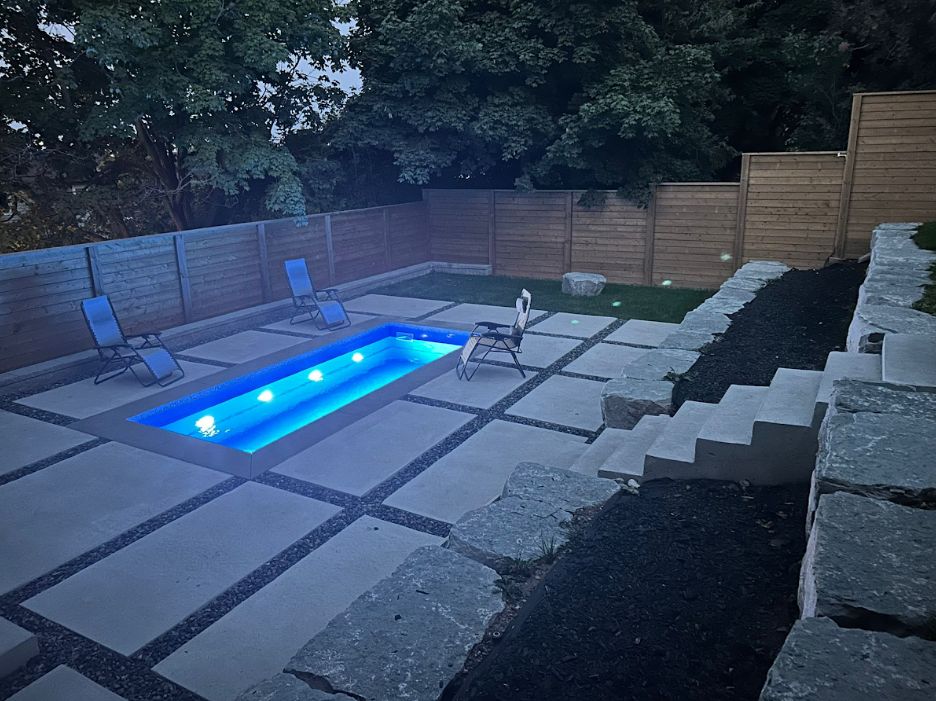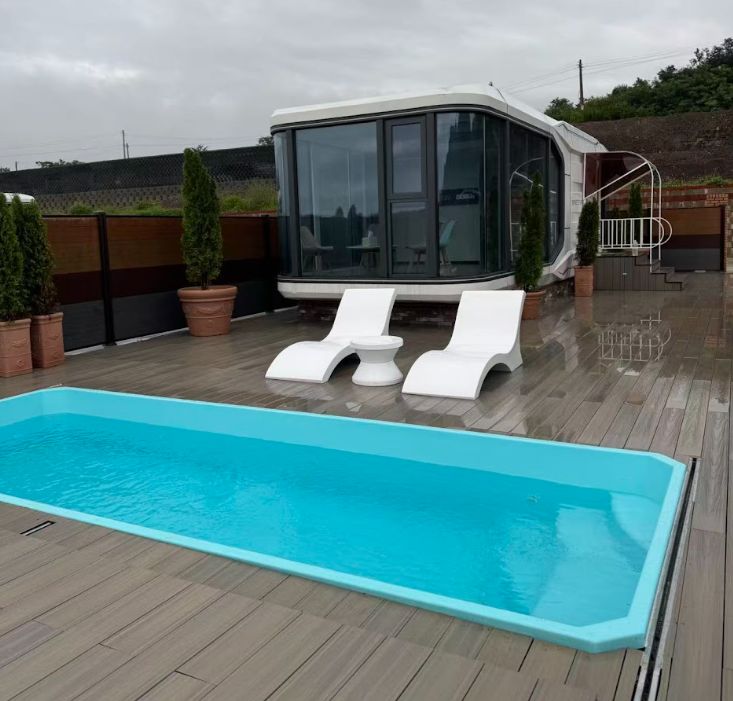
A fiberglass plunge pool can provide a compact place to cool off, relax and spend time in the water without dedicating the garden to a full swimming layout. The right model balances comfortable entry, useful seating and enough open water for the way you want to move.
Start by describing a normal session. Will one person sit quietly, will several people talk together, or will you alternate between standing and sitting? This is more useful than choosing a pool from capacity claims alone.
Evaluate seating in relation to water depth
Request the operating waterline and a section through the seat. Seat height, back support and foot space determine comfort. A seat that looks generous in a photograph may feel different once the water reaches the user’s chest or shoulders.
Consider users of different heights and the entry route when seats are occupied. In a compact pool, a clear path into the water can be more valuable than one extra seating position.

Keep some open water
Built-in features consume part of the footprint. Decide how much space you need for standing, stretching or gentle movement before maximizing benches and steps. Compare the clear area on a plan rather than relying on exterior dimensions.
| Preference | Feature to prioritize |
|---|---|
| Quiet relaxation | Comfortable seat and convenient entry |
| Shared conversation | Facing positions and adequate legroom |
| Gentle movement | Clear central water area |
| Use beyond hot weather | Appropriate heating and cover strategy |
A plunge pool is not automatically suitable for serious lap training or controlled cold-water immersion. Those uses require a specifically appropriate layout and equipment proposal.

Plan the support and surroundings
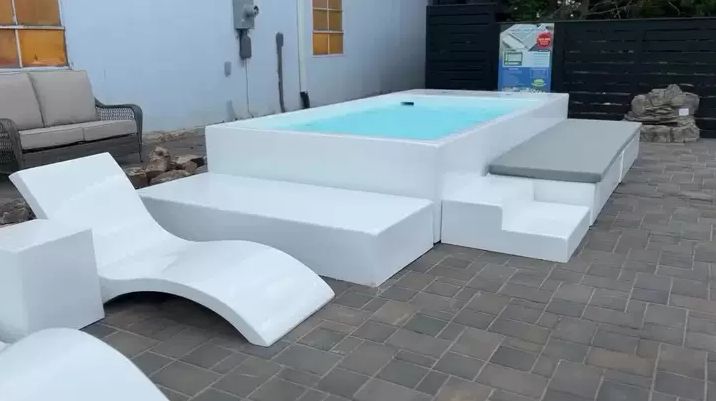
Confirm whether the product is intended for inground or supported above-ground installation. Include stairs, circulation, equipment access and barriers in the site plan. A compact pool still creates substantial operating loads, so an existing deck or terrace needs professional assessment before use as support.
Think about towel storage, privacy and the location of equipment noise. These details affect whether the pool becomes part of an easy daily routine or something used only occasionally.
Choose equipment that serves the purpose
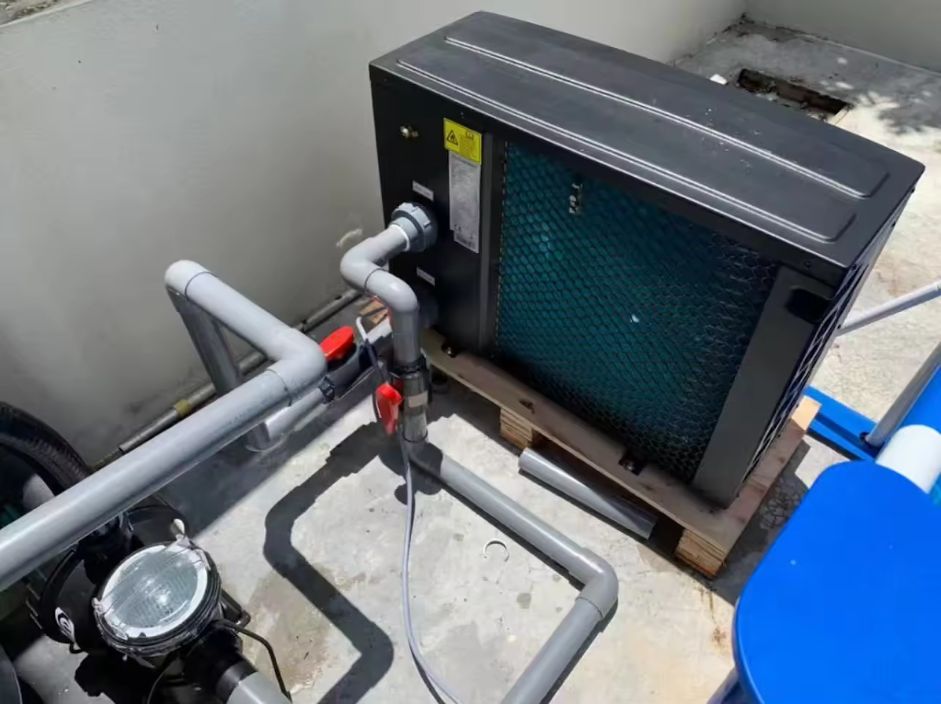
Ask for a basic circulation and treatment package, then price heating, lighting and massage separately. Confirm maintenance requirements and service access for each option. An elaborate system is worthwhile only if its benefits fit your use.
Compare KaixinPools seating-focused designs and request a layout matched to your users. Include site dimensions, preferred seating and intended season so the proposal reflects your relaxation routine.