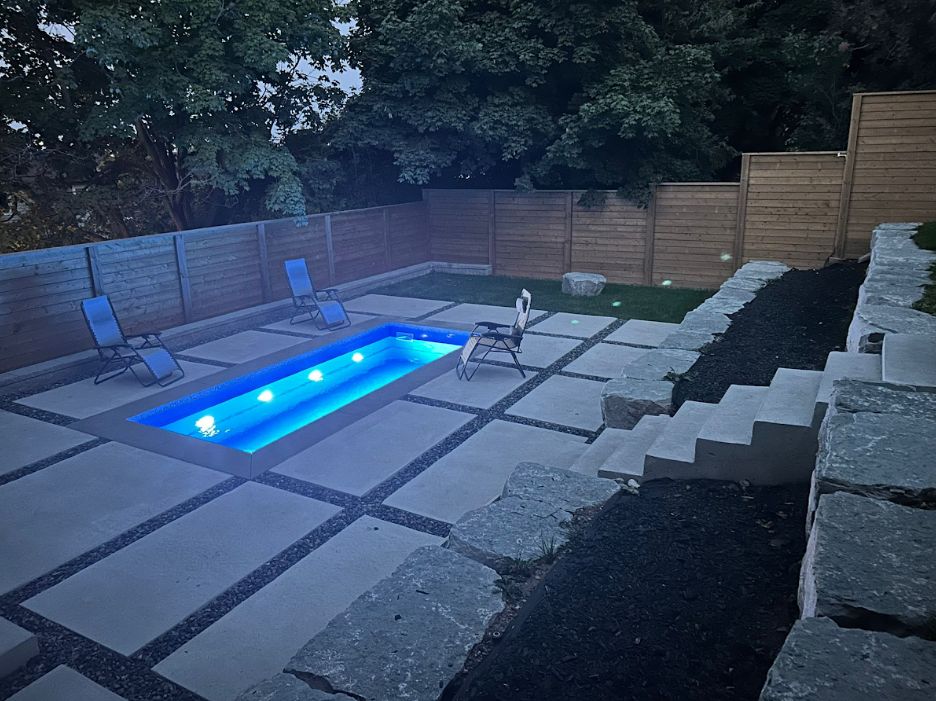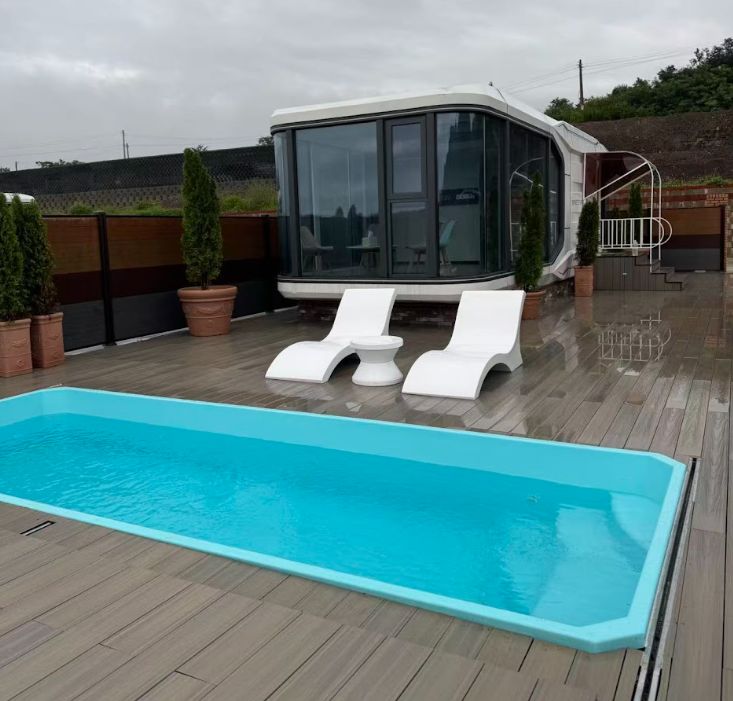
Some container pools can be relocated, but portability is not automatic. The structure must be suitable for another lift, the old installation must be disconnected correctly and the new site must support the pool. Before booking transport, compare the complete cost and feasibility of moving it with other options.
Confirm the condition and lifting approval
Identify the manufacturer, model and original installation records. Ask whether the pool is designed for relocation and what inspection is required before lifting it again. Age, corrosion, previous damage and later modifications can change the answer.
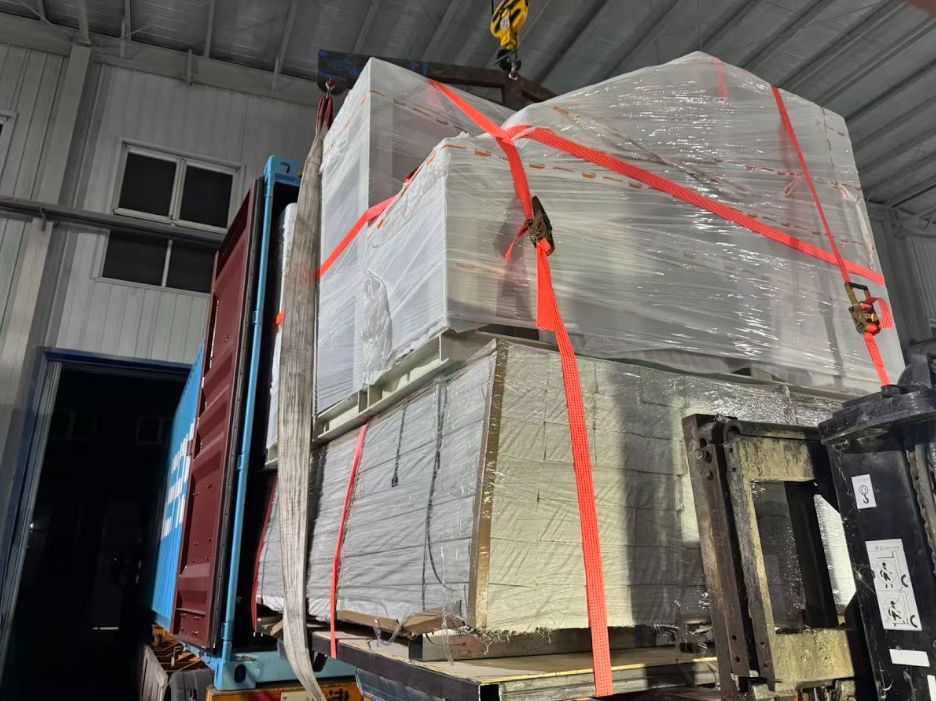
Use approved lifting points and instructions for the actual pool. A converted container may no longer have the same lifting behavior as the original freight unit. Do not assume its corner fittings remain suitable merely because they are visible.

List what must come apart
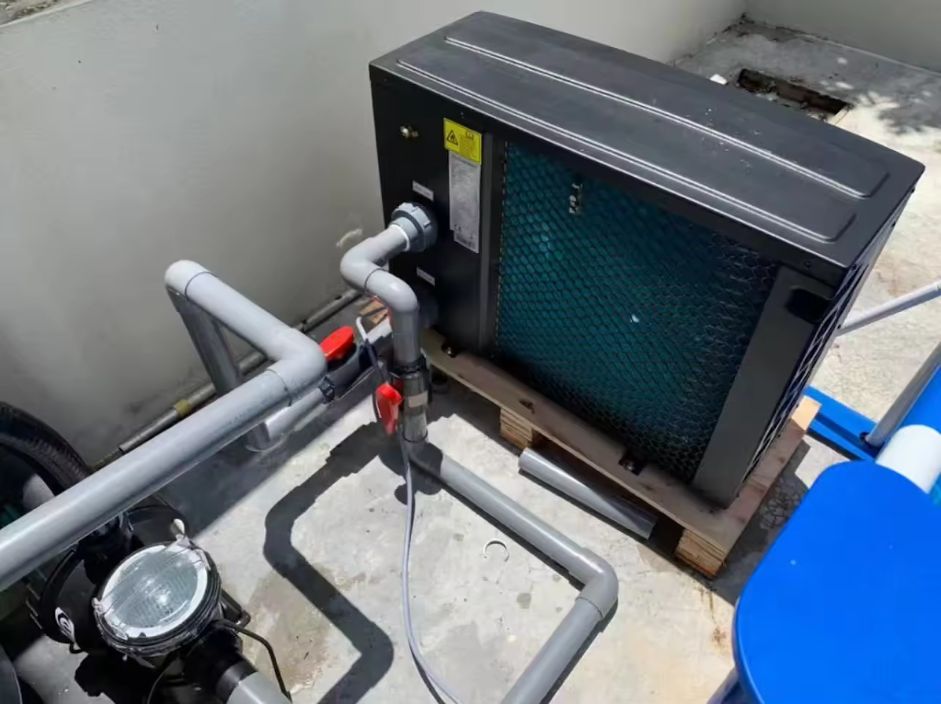
Check external plumbing, electrical connections, heating, stairs, decking and landscaping. Identify which parts can be removed and reused and which will need replacement.
Plan water removal with a suitable pool professional and follow the design-specific procedure. Never transport a pool full of water. For a buried or partly buried installation, emptying and exposing it may create additional support and groundwater issues that need to be managed before the move.

Assess the destination independently
The new address needs its own access, lifting, foundation, drainage and local-approval review. A pool that worked on a level open site may require substantial new work on a sloping or restricted property.
Check the orientation of the equipment, steps and windows against the new layout. Existing plumbing positions may put the equipment in an inconvenient location. Confirm that the new electrical supply and other services suit the installed equipment.
Calculate the entire relocation cost
Include condition assessment, draining and disconnection, removal of surrounding works, two lifting operations, transport, the new base and connections, recommissioning and restoration at the old site. Add storage if the two properties will not be ready at the same time.
Ask the relevant contractors how transport damage, lifting risk and insurance will be handled. Obtain a price for the complete sequence rather than comparing only a truck journey with the price of a new pool.
Inspect again after the move
At the destination, check visible condition before and after placement. Test the water circuit and equipment during recommissioning. Do not assume that a pool working at the old address requires no checks after transport.
If the move requires expensive structural repair or major layout compromises, replacement may deserve comparison. If the pool is sound and both sites are accessible, relocation may remain practical.
Kaixin Pools can discuss the installation and handling requirements of a proposed new container pool. If future relocation matters to you, raise it before purchase so it can be considered in the product choice and site layout.