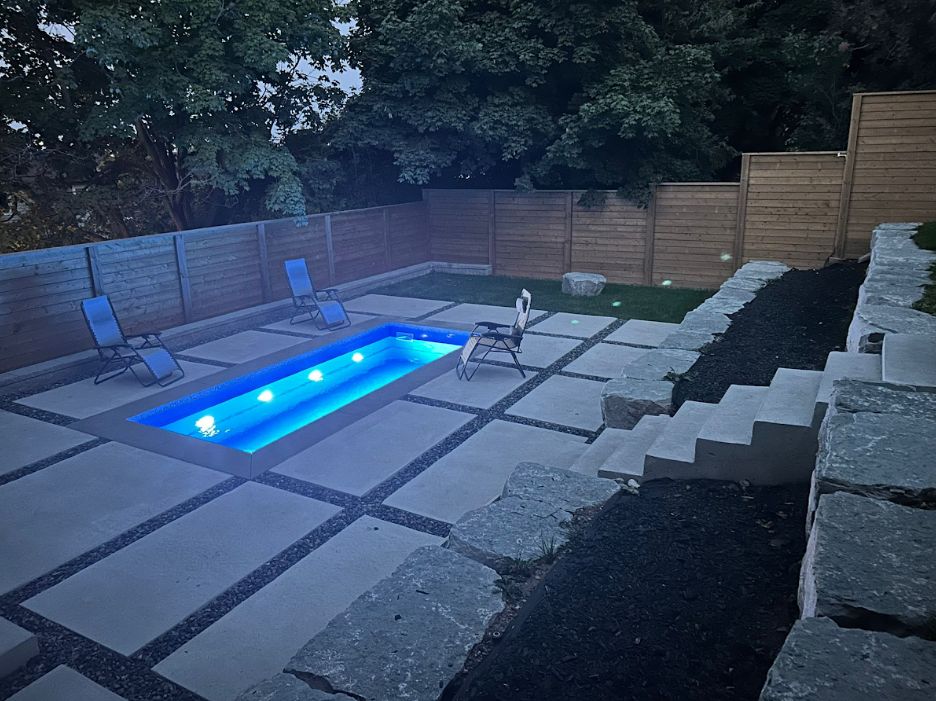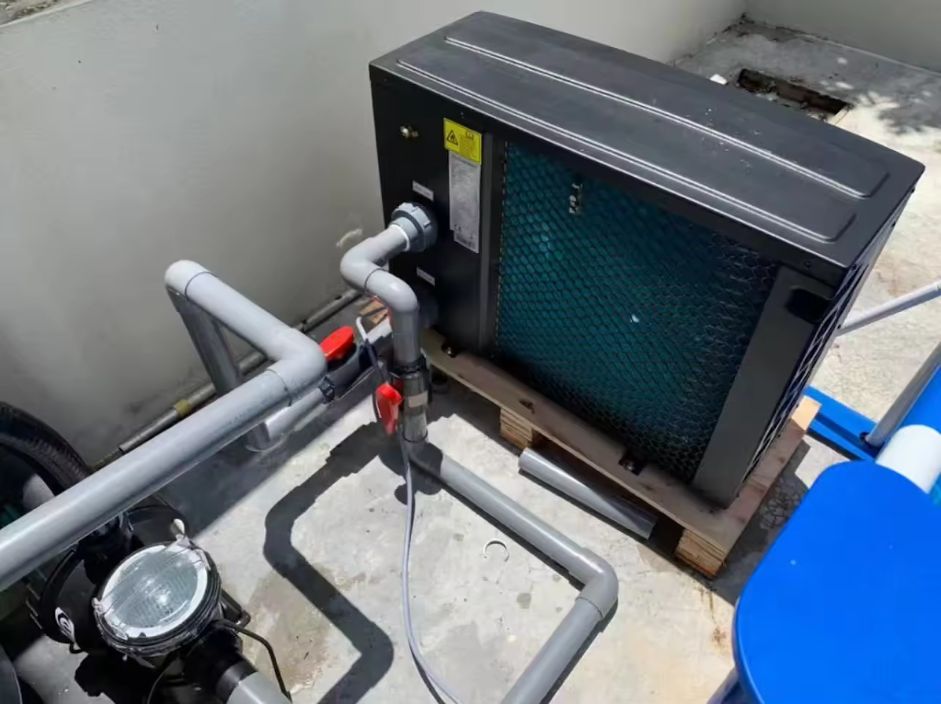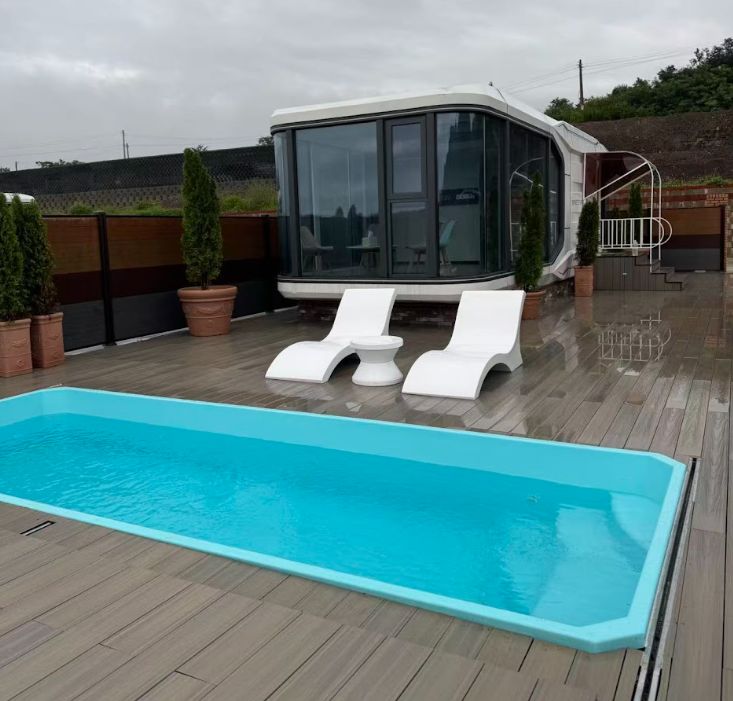
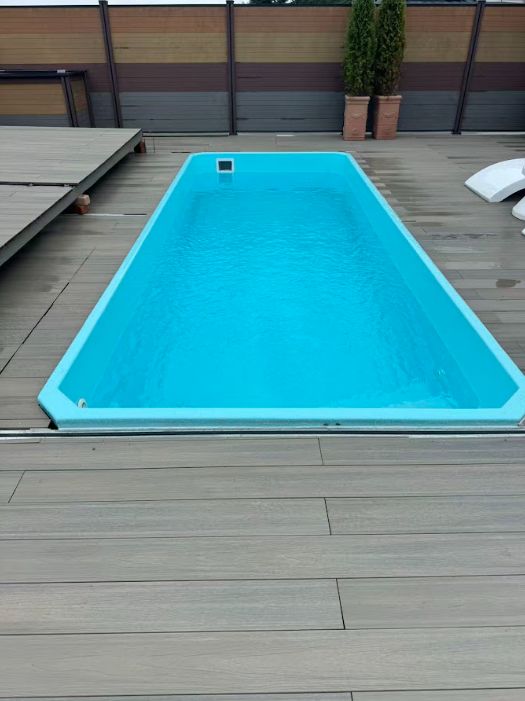
Do not drain a fiberglass pool yourself simply because the water is dirty or the surface needs attention. An empty shell can be exposed to forces that are different from normal operation. If lowering the water is genuinely necessary, arrange a plan for the exact pool and site with an appropriately experienced professional.
Why water inside the pool matters
Water outside an inground pool can exert pressure on its walls and floor. Removing the water inside changes the balance. Depending on the installation, the shell can move, distort or lift. Surrounding support and groundwater conditions matter even if the pool has worked well for years.
Dry weather at the surface does not prove there is no groundwater below. A sump or drainage provision can help assessment and management, but its presence alone is not a guarantee that draining is safe.

Ask whether the job needs an empty pool
Cloudy or green water often calls for diagnosis, filtration, cleaning and appropriate water treatment rather than complete drainage. Some staining or local problems may also be addressed without emptying the basin.
Other work, such as particular repairs or resurfacing, may require reduced water levels. The contractor should explain why, identify the necessary level and plan how the pool will remain protected throughout the work. Do not lower the water first and ask for advice afterward.
What the professional plan should cover
The team needs the pool model, installation records where available, ground conditions, groundwater access, weather outlook and the scope of the repair. The plan should address support, controlled water removal, lawful discharge, the working period and safe return to service.
The method is site-specific. A procedure from an online video, including temporary bracing or pumping details, should not be copied as a universal method for your shell.

What if water is already falling
Rapid unexplained loss needs prompt leak assessment. Do not let it continue as an experiment to find the leak level. Protect equipment from running dry using the appropriate safe shutdown procedure and obtain help before the level becomes unsafe.
Avoid approaching wet electrical equipment. If there are new cracks, distortion or movement, stop using the pool and seek an urgent assessment. Adding or removing more water without understanding the condition may not solve the problem.
Remember winter and above-ground differences
Winter closing does not normally mean emptying the shell. Follow the pool’s specific winter instructions. A freestanding fiberglass system has different support conditions from an inground shell, but still needs its own approved draining and handling procedure.
Kaixin Pools can explain the product requirements for a proposed new fiberglass pool. For an existing pool that needs draining, use its manufacturer’s instructions and a local professional who can assess the actual installation before work begins.